
Peptides for women over 35 represent one of the most targeted approaches available for addressing the hormonal, metabolic, and structural changes that accelerate after the mid-thirties. These short amino acid chains function as biological messengers, binding to specific receptors to initiate tissue repair, modulate immune function, stimulate growth hormone secretion, and regulate collagen synthesis. Unlike broad-spectrum hormone replacement, each peptide class acts on a defined pathway, which is precisely why clinicians are applying them with increasing specificity to female physiology.
Several factors make women over 35 a distinct clinical population for peptide therapy. Oestrogen and progesterone fluctuations alter receptor sensitivity across multiple systems, growth hormone secretion declines measurably, and collagen production drops steadily from the late twenties onward. The hormonal environment does not merely change the magnitude of a peptide's effect; it changes the mechanism. Oestrogen up regulates growth hormone receptor sensitivity in some tissues while simultaneously increasing GH-binding protein levels, meaning the same GH-releasing peptide stimulus produces a different downstream effect in a premenopausal woman than in a man of the same age.
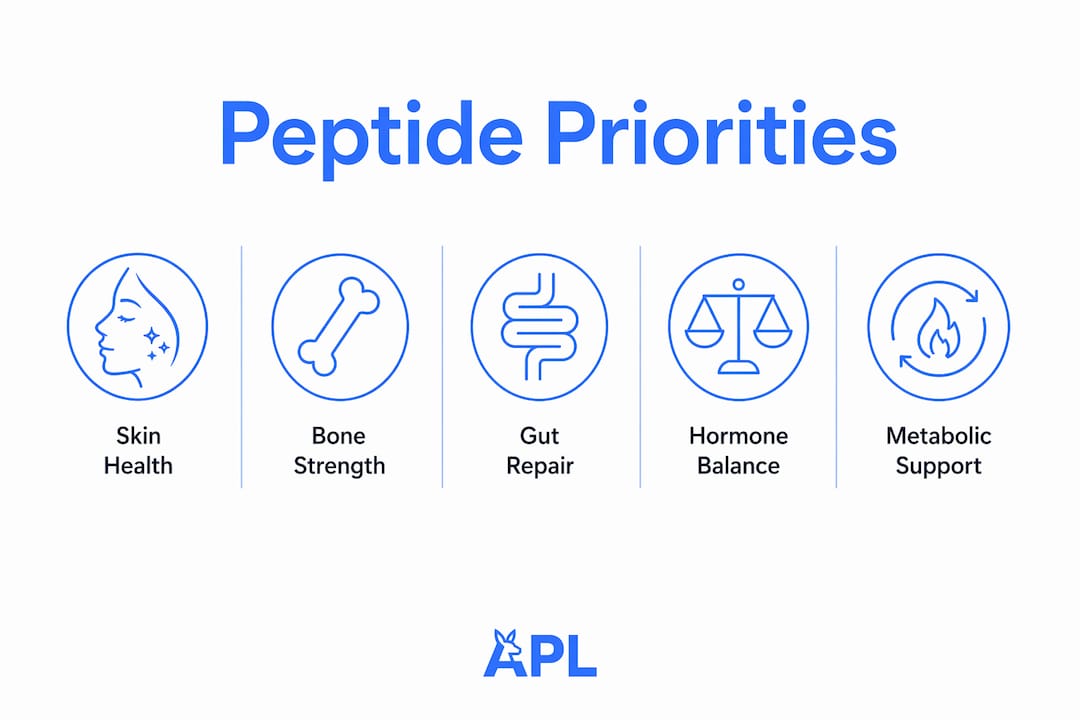
Key peptides relevant to women's health include GHK-Cu, BPC-157, CJC-1295/Ipamorelin, Thymosin Alpha-1, GLP-1 agonists (semaglutide, tirzepatide), PT-141, and KPV. Each targets a distinct physiological system, and dosing in women must account for body weight, hormonal status, and menstrual cycle phase, as standard male-derived protocols frequently do not apply.
- Tissue repair and gut healing: BPC-157, KPV
- Immune modulation: Thymosin Alpha-1
- Growth hormone support: CJC-1295/Ipamorelin, Sermorelin
- Skin and collagen: GHK-Cu (topical and injectable), oral collagen peptides
- Weight and metabolic health: GLP-1 agonists (semaglutide, tirzepatide)
- Sexual health: PT-141 (bremelanotide)
What are the clinical benefits of peptide therapy for women?
The clinical evidence for peptides varies considerably by compound, but several categories have well-controlled trial data specifically in female populations.

| Peptide / Class | Primary Benefit | Evidence Level |
|---|---|---|
| Oral collagen peptides | Bone mineral density, skin hydration | Strong (RCT, postmenopausal women) |
| GLP-1 agonists (semaglutide, tirzepatide) | Weight reduction, metabolic health | Strong (large Phase 3 trials) |
| GHK-Cu (topical) | Collagen synthesis, wound healing, skin ageing | Moderate |
| Thymosin Alpha-1 | Immune modulation, viral infections | Strong for viral hepatitis; moderate for other immune conditions |
| CJC-1295/Ipamorelin | GH support, body composition, sleep | Emerging (limited female-specific RCTs) |
| BPC-157 | Gut mucosal healing, connective tissue repair | Preclinical; growing human case series |
| PT-141 (bremelanotide) | Hypoactive sexual desire disorder (HSDD) | Strong (Phase 3, female-specific) |
Oral collagen peptide supplementation at 5–10g daily improves bone mineral density and skin hydration in postmenopausal women over 12 months, with clinical trials showing measurable increases in lumbar spine and femoral neck bone density. GLP-1 agonists like semaglutide demonstrate significant mean body weight reduction in predominantly female clinical trial populations over extended periods, with evidence suggesting women may retain more lean mass during GLP-1-driven weight loss than men.
GHK-Cu levels decline from approximately 200 ng/mL at age 20 to approximately 80 ng/mL at age 60 in women, a trajectory that correlates directly with collagen loss and accelerated skin ageing. Thymosin Alpha-1 carries the strongest immune evidence of any peptide in this category, with approval in multiple countries for hepatitis B and C treatment and documented efficacy in chronic immune dysregulation conditions that disproportionately affect women, including Hashimoto's thyroiditis and systemic lupus erythematosus.
Which peptides should women prioritise by health goal?
Selecting the right peptide depends on the primary health objective. The compounds below represent the most clinically relevant options for women, each operating through a distinct mechanism.
- BPC-157 (Body Protection Compound 157): A 15-amino-acid peptide derived from a gastric protein with well-documented preclinical evidence for gastrointestinal mucosal healing, tendon and ligament repair, and pelvic floor tissue recovery. Typical dosing for tissue repair ranges 200–500 mcg daily by subcutaneous injection. Human clinical trials remain limited, and the safety profile is incompletely characterised.
- Thymosin Alpha-1: One of the few peptides with robust clinical evidence, particularly for post-infectious immune dysregulation, chronic reactivated viral infections, and support during immunosuppressive treatment. Dose is typically 1.6 mg subcutaneously twice weekly.
- GLP-1 agonists (semaglutide, tirzepatide): The most evidence-backed peptides for female metabolic health. Tirzepatide, as a dual GIP/GLP-1 agonist, showed up to 22.5% weight reduction in Phase 3 trials. Both are relevant for women with insulin resistance or correlated weight gain. See also weight loss peptide alternatives for a breakdown of clinical options available in Australia.
- CJC-1295/Ipamorelin: The most widely prescribed growth hormone secretagogue combination in peptide clinics. CJC-1295 acts as a GHRH analogue; Ipamorelin is a selective ghrelin receptor agonist. Together they amplify GH release, supporting body composition, sleep architecture, and bone density. Clinicians typically start women at 100 mcg of each at bedtime and titrate based on IGF-1 response.
- GHK-Cu (copper tripeptide): Stimulates fibroblast proliferation, promotes collagen and glycosaminoglycan synthesis, and carries antioxidant properties. Primarily used topically for skin health; occasionally administered via subcutaneous injection for connective tissue concerns. Topical peptides such as Argireline and Matrixyl differ mechanistically from systemic peptides like BPC-157, focusing on superficial skin benefits rather than systemic tissue repair.
- PT-141 (bremelanotide): The only FDA-approved peptide with a female-specific indication, approved for hypoactive sexual desire disorder in premenopausal women. It acts through melanocytic receptors in the brain rather than through vascular mechanisms. The fixed dose is 1.75 mg subcutaneously, taken at least 45 minutes before anticipated activity.
- KPV: A tripeptide fragment of alpha-melanocyte-stimulating hormone with anti-inflammatory effects on intestinal mucosa. Typically used orally at 500 mcg–2 mg daily. Women with inflammatory bowel conditions, gut symbiosis, or food sensitivity-related inflammation are the primary candidates.
Pro Tip: Women with luteal phase fluctuations in gut motility often notice that BPC-157 and KPV response varies across the menstrual cycle, as progesterone directly affects gut barrier function and mast cell activity.
Risks, safety, and the regulatory environment for peptides in Australia
The TGA restricts the sale of peptides for therapeutic use in Australia; most products marketed for research are not approved for human consumption. Grey-market peptide diversion poses documented risks due to unknown purity and potency, and the TGA has updated its compliance priorities in 2026 to specifically target unapproved peptide products. For a detailed breakdown of what is and is not permissible, see peptide legality in Australia.
Key safety considerations for women:
- GLP-1 and oral contraceptives: Tirzepatide reduces oral contraceptive pill absorption by approximately 20%, a clinically significant interaction. The FDA recommends switching to a non-oral contraceptive method or adding a barrier method for four weeks after each dose increase.
- Fertility implications: GLP-1 agonists can restore ovulation in women with PCOS, creating unintended pregnancy risk. Clinicians prescribing these agents to women of reproductive age must address contraception explicitly at initiation and at every dose increase.
- Absolute contraindications: Pregnancy and lactation are contraindications for virtually all peptide therapies. Most clinicians recommend discontinuing all peptide therapy 2–3 months before attempting conception.
- Hormone-sensitive cancers: GH-raising peptides require oncology review in women with active or recent breast or uterine cancers.
- GH secretagogue side effects: Water retention, joint stiffness, and transient injection-site numbness are documented. Women may experience fluid retention more noticeably during certain cycle phases.
- BPC-157 theoretical concerns: Angiogenic effects raise theoretical concerns for women with certain cancers or during pregnancy, though human data remains limited.
Regulatory note: Under Australian law, peptides sold for research purposes are not approved therapeutic goods. Purchasing or using them for human consumption outside a prescribed clinical context carries legal and safety risks.
Trusted Australian peptide suppliers for research
Sourcing research-grade peptides from verified Australian suppliers eliminates customs delays, reduces contamination risk, and provides access to third-party certificates of analysis (COA). The distinction between research-grade peptides and products approved for human therapeutic use is legally and scientifically material in Australia.
| Supplier | Purity Testing | Shipping | COA Available | Research Scope |
|---|---|---|---|---|
| Aupeptidelabs | >99%, third-party verified | Same-day dispatch, Australia-wide | Yes | Broad peptide catalogue |
| Omega Peptides Australia | Purity, heavy metals, endotoxins | Australian domestic | Yes | Research peptides only |
Aupeptidelabs (Sydney, 2036) supplies pharmaceutical-grade research peptides with purity levels exceeding 99%, verified by third-party testing. All orders dispatch within one business day from Australia, removing customs delays entirely. The catalogue includes research supplies such as insulin syringes, bacteriostatic water, and alcohol wipes alongside peptide compounds. Aupeptidelabs holds a verified customer satisfaction rating of 4.6/5. All products are strictly for laboratory research, not for human or veterinary use.
Omega Peptides Australia supplies high-purity research peptides tested for purity, heavy metals, and endotoxins, with COA documentation available. Products are strictly for in-vitro laboratory research and development.
When evaluating any Australian supplier, confirm:
- Third-party COA with specific purity percentage
- Testing for heavy metals and endotoxins, not purity alone
- Australian domestic dispatch to avoid customs and cold-chain disruption
- Clear labelling that products are for research use only
How do peptides interact with common female medications and conditions?
Women over 35 frequently manage multiple concurrent medications and conditions, and several peptide classes carry clinically relevant interaction profiles.

Oral oestrogen (but not transdermal) reduces hepatic IGF-1 production. Women on oral hormone replacement therapy who initiate a GH secretagogue protocol may see a blunted IGF-1 response; switching to transdermal oestradiol can normalise this before reassessing peptide response. Women with mast cell activation syndrome face heightened sensitivity to peptide injections during the luteal phase due to progesterone-mast cell interactions; initiating therapy in the follicular phase at lower doses reduces histamine-type reactions.
Hypothyroidism, which is far more prevalent in women, influences how the body responds to metabolic peptides. Baseline thyroid status, vitamin D levels, and iron stores are worth confirming before starting any protocol. GLP-1 agonists slow gastric emptying, which theoretically affects absorption of any oral medication, not only contraceptives. Women taking thyroid hormone replacement orally should be aware of this interaction and time dosing accordingly.
When can you expect to notice results from peptide therapy?
Timelines vary considerably by compound, goal, and individual metabolic status.
Skin and connective tissue peptides such as GHK-Cu and oral collagen peptides typically produce visible changes over 8–12 weeks of consistent use, with the 12-month collagen peptide RCT in postmenopausal women showing bone density improvements at the study endpoint rather than early in the protocol. GLP-1 agonists produce measurable weight changes within the first 4–8 weeks of titration, with peak effects observed at 68 weeks in the STEP trial programme. GH secretagogue combinations like CJC-1295/Ipamorelin often show subjective improvements in sleep quality within 2–4 weeks; body composition changes require 3–6 months of consistent use alongside resistance training and adequate protein intake. Immune peptides such as Thymosin Alpha-1 are typically administered in defined courses rather than continuously, with clinical response assessed at the end of each course.
How does menopause change the way peptides work?
The premenopausal and postmenopausal hormonal environments produce meaningfully different peptide responses, and protocols designed for one group do not translate directly to the other.
Premenopausal women experience cyclical fluctuations in oestrogen and progesterone that alter receptor sensitivity, gut motility, and mast cell activity across the month. IGF-1 responses to GH secretagogues are typically blunted in women compared to men, and this blunting is more pronounced in the luteal phase. Postmenopausal women lose the cyclical variability but face a sustained low-oestrogen environment that accelerates collagen degradation, visceral fat accumulation, and GH axis decline. GLP-1 agonists specifically reduce visceral fat, which is particularly relevant for postmenopausal women given the cardiovascular risk associated with visceral adiposity. CJC-1295/Ipamorelin is most commonly prescribed in the postmenopausal cohort, where declining GH contributes to poor recovery, loss of lean mass, and disrupted sleep architecture. Collagen peptide supplementation has its strongest clinical evidence base in postmenopausal women, with the 12-month RCT demonstrating bone density improvements in this specific population. Nutrition plays a foundational role alongside any peptide protocol; protein intake in perimenopause directly supports the lean mass preservation that GH secretagogues are intended to facilitate.
Why personalised peptide therapy matters more than any single compound
The most common error in peptide therapy for women is applying a generic protocol without accounting for the individual's hormonal status, cycle phase, body weight, and concurrent medications. Baseline laboratory testing, including IGF-1, sex hormones, and inflammatory markers, is critical to determine clinical appropriateness and avoid dose-related side effects. Most high-impact peptides lack female-specific randomised controlled trial data, making physician-led titration the primary safeguard against adverse effects such as water retention and glucose sensitivity alterations.
Peptides function as biological messengers that restore physiological balance; they do not compensate for untreated nutrient deficiencies, chronic sleep deprivation, or unmanaged stress. A clinician initiating GH secretagogue therapy in a woman with unaddressed hypothyroidism or severe iron deficiency will see attenuated results and may misattribute the poor response to the peptide rather than the underlying condition. The most productive approach pairs targeted peptide selection with corrected nutritional status, adequate sleep, and resistance training, particularly for postmenopausal women where lean mass preservation is a primary goal.
Timing initiation in the follicular phase reduces the likelihood of histamine-type reactions in women with mast cell sensitivity, and starting at the lower end of the dosing range, 100 mcg for GH secretagogues, with titration based on IGF-1 response and symptom feedback, is the standard clinical approach for women. The goal is not maximum dose but optimal signal.
Aupeptidelabs: pharmaceutical-grade research peptides, shipped from Australia
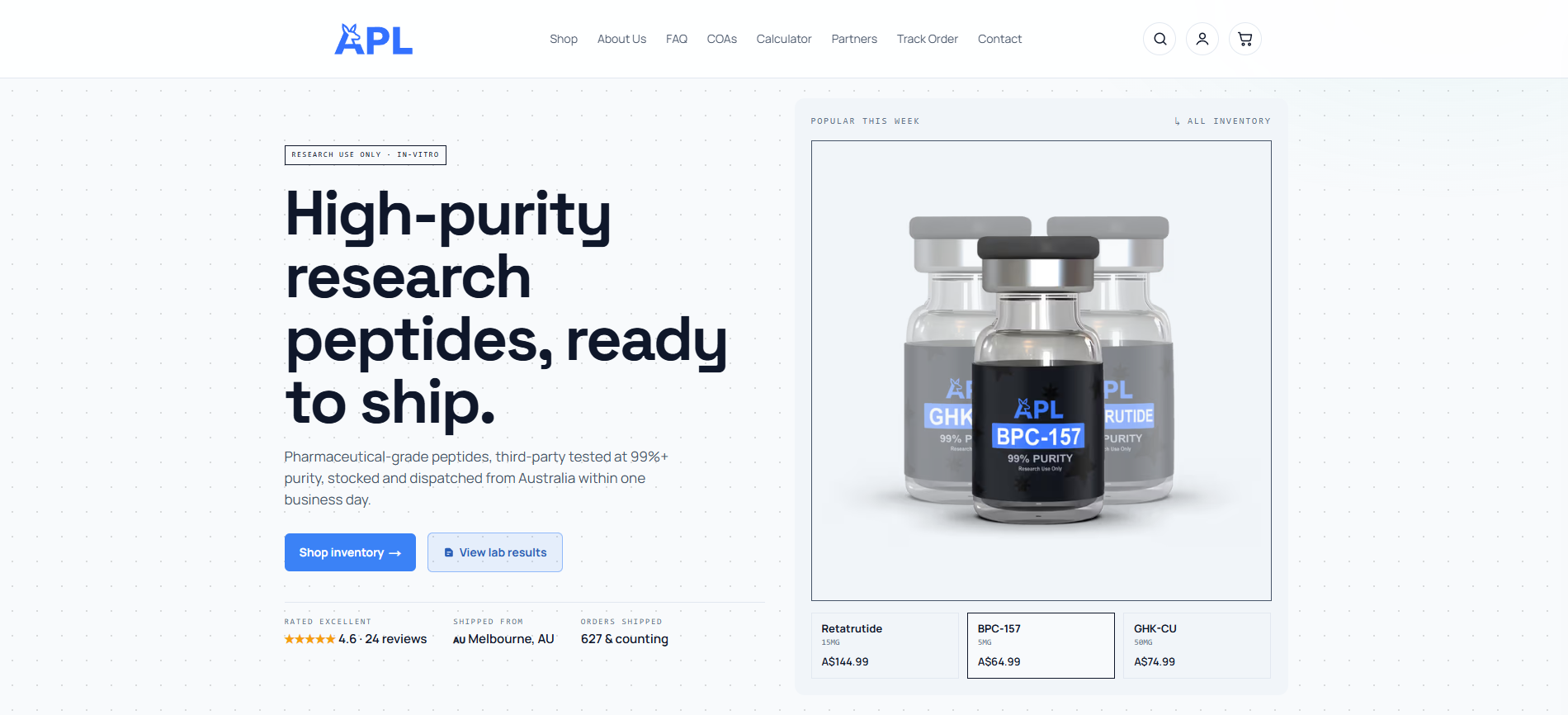
Researchers and clinicians requiring verified, high-purity research peptides in Australia can source directly from Aupeptidelabs, where all products exceed 99% purity by third-party testing and dispatch within one business day. The catalogue covers a broad range of research compounds including VIP (Vasoactive Intestinal Peptide), LL-37, and SS-31, alongside full research supply kits. Discreet packaging and domestic Australian fulfilment eliminate the customs delays and cold-chain risks associated with international procurement. All products are strictly for laboratory research use only, not for human or veterinary consumption.